





The August 1, 2011 edition of the Baltimore Sun contains a great article on Yo-Yo vehicle sales fraud. It’s one of the most common forms of sales fraud. It’s a wonder it has taken this long to get some exposure. The Baltmore Sun should be applauded.
The articles sets the stage by asking a simple question.
Imagine showing off your new car to friends and family only to get a call from the dealer — sometimes weeks later — saying your financing has fallen through.
You’re given the option of returning the car or signing a new sales agreement with terms that are likely less favorable. If you’re like many buyers, consumer lawyers say, you will be too embarrassed to send the car back and opt to pay more instead.
The article quotes a MD assistant attorney general: “It’s a major problem in our state and other states.”
The article appreciates that more protections are necessary. Although most state laws prohibit dealers from trying to force consumers to renegotiate signed finance agreements, most consumer don’t know this. If you don’t know your rights, then they might as well not exist.
Dealers are very good at overcoming any resistance. Dealers in PA are not supposed to use supplemental forms or contract that appear to make the deal contingent in any way and appear to require the consumer to return the vehicle, but many, many dealers do this.
Often dealers do not sign the finance agreement, then claim it was never approved, so you have to do what they say. This is not permissible under PA law. The dealer must sign before the consumer signs and may not use their own failure against the consumer.
Dealers will also claim that they never transferred the Title, so the vehicle is still theirs. Dealers are required to transfer the Title at the time of the sale, and, again, may not use their own violation against the consumer.
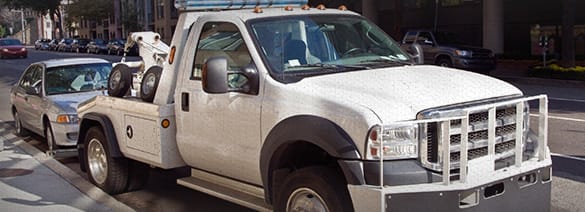
Dealers often will threaten to call the police to report the vehicle stolen. Dealers actually often follow thru on the threat. This is beyond wrong and unlawful.
Why do dealer yo-yo consumer? A yo-yo usually arises out of two circumstances. One involves a consumer without enough credit and the other involves a consumer with too much credit.
In the first circumstance, the dealer does not want to let a consumer walk off the lot without buying, because he does not want to lose a sale. The dealer knows that he cannot sell the deal to a bank, but figures he can sweeten it by pulling back the consumer at a later time.
In the second circumstance, the dealer finds out from a bank that it would have bought an even bigger or more expensive deal for a particular consumer than the dealer actually made with the consumer. The dealer want to pack more into the deal, usually in the form of GAP insurance, extended warranties, window etching, credit disability insurance, etc., so that it can make more money.
The article recounts a particular transaction and lawsuit.
Ozell Carter of Temple Hills says he’s one of them. He lost his car after two months because the dealer said the financing fell through. Carter is now suing.
In his lawsuit filed in April, Carter says he was offered a deal to buy a 2004 Mercury Sable for $10,175 in late October from Car Center in Waldorf. Carter signed a contract to pay $278 a month over 54 months. And a few days later got insurance and temporary tags for the car and drove off.
About a week later, according to the suit, a Car Center agent called Carter to tell him of a better deal at $235 a month over 5 years. Carter signed a new contract. Believing the car was his, he says, he sold his old auto.
But more than a month went by, and Carter hadn’t received his payment book. He says the agent told him not to worry. On Dec. 23 with still no payment book, Carter went into the dealership to pay in person. That’s when he was told that he didn’t get financing.
Carter says he was told that to keep the car, he would now need a co-signer and his monthly payment would jump to $375 over three years. He couldn’t find a co-signer and couldn’t afford the higher payment. He returned the Mercury Sable on Christmas Day.
“It was devastating,” says the 53-year-old. “I cried. I cried because it was a major setback.”
Carter says without a car he missed work at his part-time job, and ended up renting a vehicle for a month.
As the article points out, dealers make fun of and laugh at their antics. They jokings call these devasting fraud “MacArthur agreements,” referring to Gen. Douglas MacArthur who vowed “I shall return” when ordered to evacuate the Philippines in World War II.
You can see the entire article by pointing your browser here:
http://www.baltimoresun.com/business/money/bs-bz-ambrose-yo-yo-20110731,0,5647735,full.story